


Understanding the Importance of Idle Relearn Procedures for Optimal Engine Performance
- Keith Ortolano
- Feb 6
- 3 min read

Modern engines rely on precise computer control to run smoothly, especially when idling. When you start your vehicle, the engine management system needs to adjust to various conditions to maintain a steady idle speed. This adjustment process is known as the Idle Relearn Procedure. Skipping or improperly performing this procedure can lead to rough idling, stalling, or increased emissions. This post explains why idle relearn procedures matter, how they work, and what you should know to keep your engine running at its best.
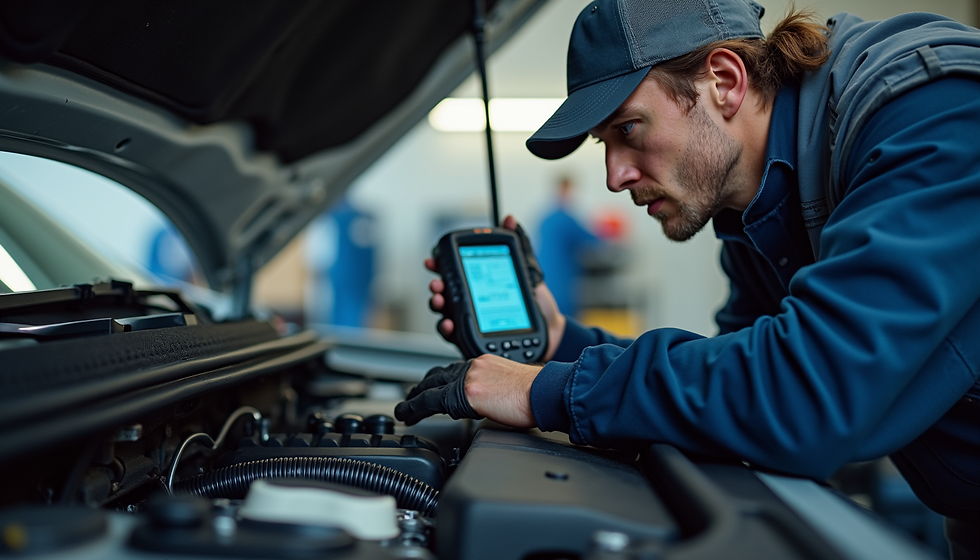
What Is an Idle Relearn Procedure?
The idle relearn procedure is a process that allows the engine control unit (ECU) to recalibrate the idle settings after certain maintenance or repairs. When components like the battery, sensors, or throttle body are cleaned, replaced or disconnected, the ECU may lose its learned idle parameters. Without relearning, the engine may idle too high, too low, or inconsistently.
The procedure helps the ECU "relearn" the correct idle speed by monitoring engine conditions such as air intake, temperature, and load. This ensures the engine runs smoothly when the vehicle is stationary.
Why Idle Relearn Procedures Are Necessary
Modern engines use electronic throttle control and sensors to maintain idle speed. The ECU adapts to changes over time, like carbon buildup or sensor wear, by adjusting fuel delivery and throttle position. When you reset or replace parts, the ECU loses this adaptation.
Here are common situations that require an idle relearn:
Battery disconnection or replacement
Throttle body cleaning or replacement
Engine control module (ECM) reset or replacement
Intake system repairs
Failing to perform the idle relearn after these events can cause:
Rough or unstable idle
Engine stalling at idle
Increased fuel consumption
Check engine light activation
Poor drivability
How the Idle Relearn Procedure Works
The exact steps vary by vehicle make and model, but the general process involves:
Starting the engine and allowing it to reach normal operating temperature.
Ensuring all electrical loads are off, such as air conditioning, headlights, and radio.
Keeping the transmission in neutral or park to avoid load variations.
Allowing the engine to idle for a specific time, in park or in drive, so the ECU can monitor and adjust parameters.
Performing any required throttle pedal movements or other manual inputs as specified by the manufacturer.
Some vehicles require a scan tool to initiate or confirm the idle relearn, while others complete the process automatically after driving for a certain distance or time.
Practical Examples of Idle Relearn Impact
Example 1: Throttle Body Cleaning
After cleaning the throttle body, the idle air control can be disrupted. Without relearning, the engine may idle too low and stall. Performing the idle relearn resets the ECU’s baseline, allowing it to adjust fuel and air mixture correctly.
Example 2: Battery Replacement
Disconnecting the battery resets the ECU memory. When the vehicle is restarted, the engine may idle roughly or stall. Completing the idle relearn procedure helps the ECU regain its idle control settings.
Example 3: Sensor Replacement
Replacing sensors like the mass airflow sensor changes the data the ECU receives. The idle relearn allows the ECU to interpret new sensor signals and maintain stable idle speed.
Tips for Performing Idle Relearn Procedures
Consult your vehicle’s service manual for specific instructions.
Use a diagnostic scan tool if required by your vehicle.
Perform the procedure in a safe, well-ventilated area.
Avoid turning on electrical accessories during the relearn process.
Be patient and allow the engine to reach full operating temperature.
If unsure, seek help from a qualified mechanic.
Benefits of Proper Idle Relearn
Performing the idle relearn procedure ensures:
Smooth and stable engine idle
Reduced risk of stalling
Better fuel efficiency
Lower emissions
Improved overall engine performance
Ignoring this step after maintenance can lead to costly repairs and frustrating drivability issues.


Comments